


As an ammonium sulphate granular supplier, I've seen firsthand how this fertilizer can have a significant impact on crop yields. In this blog, I'll share my insights on how ammonium sulphate granular affects crop yields and why it's a great choice for farmers.
What is Ammonium Sulphate Granular?
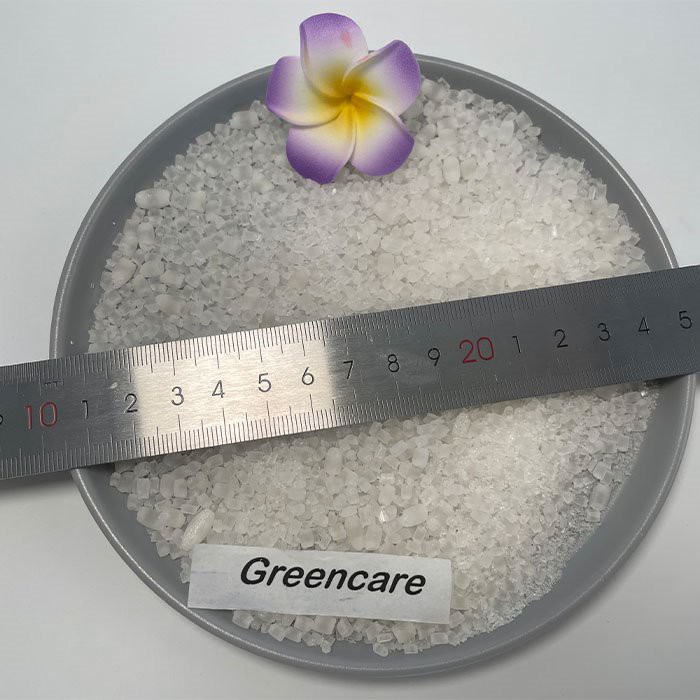
Ammonium sulphate granular is a popular fertilizer that contains nitrogen and sulfur. It's a white, crystalline substance that's soluble in water and easy to apply. The nitrogen in ammonium sulphate is in the form of ammonium ions, which are readily available to plants. Sulfur is also an essential nutrient for plants, playing a crucial role in the formation of proteins, enzymes, and vitamins.
You can learn more about Ammonium Sulphate Granular CAS 7783 - 20 - 2 here.
How Ammonium Sulphate Granular Affects Crop Yields
Nitrogen Supply
Nitrogen is one of the most important nutrients for plant growth. It's a key component of chlorophyll, which is essential for photosynthesis. When plants have an adequate supply of nitrogen, they can produce more chlorophyll, leading to increased photosynthetic activity. This, in turn, results in better plant growth, more vigorous leaves, and ultimately, higher crop yields.
Ammonium sulphate granular provides a readily available source of nitrogen. The ammonium ions are quickly absorbed by the plant roots and used for growth. Unlike some other nitrogen fertilizers, ammonium sulphate doesn't volatilize easily, so more of the nitrogen is available for the plants to use.

Sulfur Supply
Sulfur is often overlooked, but it's just as important as nitrogen for plant growth. It's involved in many physiological processes, such as the synthesis of amino acids, proteins, and vitamins. Sulfur also helps improve the quality of crops, making them more resistant to diseases and pests.
Ammonium sulphate granular is an excellent source of sulfur. The sulfur in the fertilizer is in a form that's easily absorbed by plants. When plants have enough sulfur, they can produce stronger cell walls, which helps them withstand environmental stress and diseases.
Soil pH Regulation
Ammonium sulphate granular can also have an impact on soil pH. It's an acid - forming fertilizer, which means it can lower the pH of alkaline soils. This is beneficial for many crops that prefer slightly acidic soil conditions. By adjusting the soil pH, ammonium sulphate can improve the availability of other nutrients in the soil, such as phosphorus, iron, and manganese.
Comparison with Other Fertilizers
Calcium Ammonium Nitrate White Granular Fertilizer
Calcium ammonium nitrate is another popular nitrogen fertilizer. While it also provides nitrogen to plants, it doesn't contain sulfur like ammonium sulphate. Sulfur is an important nutrient that can enhance crop quality and resistance. Additionally, calcium ammonium nitrate may have a different effect on soil pH compared to ammonium sulphate. You can find more information about Calcium Ammonium Nitrate White Granular Fertilizer.
Slow Release Granular Sulfur Coated Urea
Slow - release granular sulfur - coated urea is designed to release nitrogen slowly over time. While this can be beneficial in some cases, ammonium sulphate provides an immediate source of nitrogen and sulfur. This can be particularly useful during the early stages of plant growth when plants need a quick boost of nutrients. Check out Slow Release Granular Sulfur Coated Urea for more details.
Case Studies and Real - World Examples
I've worked with many farmers who have seen significant improvements in their crop yields after using ammonium sulphate granular. For example, a wheat farmer in the Midwest noticed that his wheat plants were more robust and had a higher protein content after applying ammonium sulphate. The sulfur in the fertilizer helped improve the quality of the wheat, making it more marketable.
Another farmer growing vegetables found that his crops were more resistant to diseases and pests after using ammonium sulphate. The sulfur in the fertilizer strengthened the cell walls of the plants, making them less susceptible to damage.
Tips for Using Ammonium Sulphate Granular
- Proper Application Rate: It's important to apply the right amount of ammonium sulphate granular. Too much can lead to over - fertilization, which can damage the plants and cause environmental problems. Consult with a local agricultural extension service or a fertilizer expert to determine the appropriate application rate for your crops.
- Timing of Application: Apply ammonium sulphate granular at the right time. For most crops, it's best to apply it during the early stages of growth when the plants need a quick supply of nutrients.
- Soil Testing: Before applying ammonium sulphate, it's a good idea to test your soil. This will help you determine the nutrient levels in the soil and whether your soil needs additional nitrogen and sulfur.
Conclusion
Ammonium sulphate granular is a versatile and effective fertilizer that can have a significant impact on crop yields. Its ability to provide both nitrogen and sulfur, regulate soil pH, and improve crop quality makes it a great choice for farmers. If you're looking to boost your crop yields and improve the quality of your crops, consider using ammonium sulphate granular.
If you're interested in purchasing ammonium sulphate granular or have any questions about its use, feel free to reach out. We're here to help you make the most of your farming operations.
References
- Brady, N. C., & Weil, R. R. (2008). The nature and properties of soils. Pearson Prentice Hall.
- Mengel, K., & Kirkby, E. A. (2001). Principles of plant nutrition. Kluwer Academic Publishers.


