


Calcium ammonium nitrate yellow, a widely used fertilizer in modern agriculture, has been a subject of interest for farmers and agronomists alike. As a supplier of calcium ammonium nitrate yellow, I've witnessed firsthand the impact this fertilizer can have on crop yields. In this blog, we'll delve into the scientific aspects of how calcium ammonium nitrate yellow influences the yield of crops.
The Composition and Properties of Calcium Ammonium Nitrate Yellow
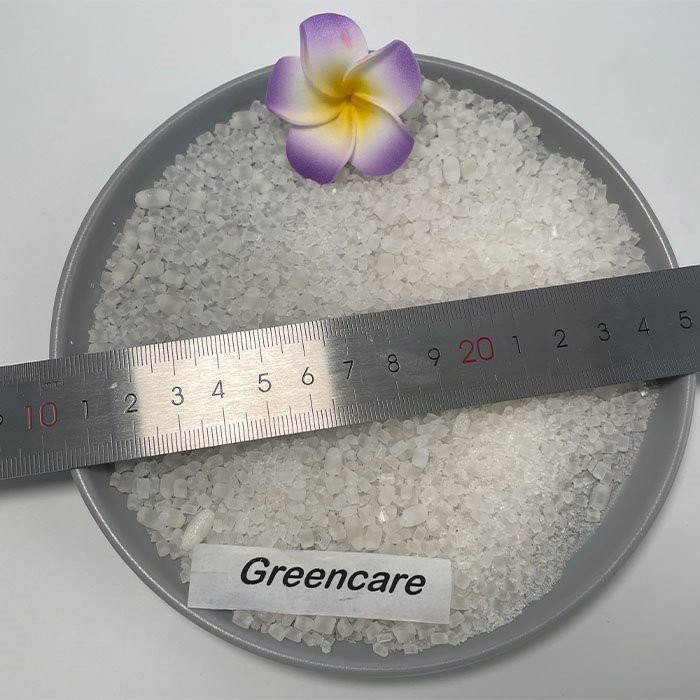
Calcium ammonium nitrate yellow is a compound fertilizer that contains both calcium and nitrogen. The nitrogen exists in two forms: ammonium nitrogen and nitrate nitrogen. This dual - nitrogen form provides several advantages for plant growth.
The ammonium nitrogen is slowly released in the soil, which can be directly absorbed by plant roots. It helps in the synthesis of proteins and other important organic compounds in plants. On the other hand, nitrate nitrogen is highly soluble and can be quickly taken up by plants, providing an immediate source of nitrogen for growth.
Calcium, another key component, plays a crucial role in maintaining the structural integrity of plant cell walls. It helps in preventing diseases and improving the overall quality of the crops. For example, in fruits, calcium can enhance the firmness and shelf - life, reducing the incidence of disorders such as blossom - end rot in tomatoes.
How Calcium Ammonium Nitrate Yellow Affects Crop Yield
1. Nitrogen Supply
Nitrogen is an essential nutrient for plant growth. It is a major component of chlorophyll, the pigment responsible for photosynthesis. With an adequate supply of nitrogen from calcium ammonium nitrate yellow, plants can produce more chlorophyll, which in turn increases the rate of photosynthesis.
Photosynthesis is the process by which plants convert sunlight, carbon dioxide, and water into glucose and oxygen. More photosynthesis means more energy and building blocks for plant growth. As a result, plants can develop stronger stems, more leaves, and larger flowers and fruits.
In addition, nitrogen is also involved in the synthesis of amino acids, proteins, and nucleic acids. These are essential for cell division, growth, and development. A lack of nitrogen can lead to stunted growth, yellowing of leaves (chlorosis), and reduced yields. By providing a balanced supply of ammonium and nitrate nitrogen, calcium ammonium nitrate yellow ensures that plants have a continuous source of this vital nutrient.
2. Calcium Function
Calcium is not only important for cell wall structure but also for cell signaling. It regulates various physiological processes in plants, such as enzyme activation and membrane stability.
In the root system, calcium helps in the development of strong and healthy roots. A well - developed root system can better absorb water and nutrients from the soil. This is especially important during periods of drought or nutrient deficiency.
In the above - ground parts of the plant, calcium contributes to the formation of strong stems and branches. It also helps in the transport of carbohydrates and other nutrients within the plant. For example, in wheat, a sufficient supply of calcium can improve the grain filling process, leading to higher yields.

3. Soil Conditioning
Calcium ammonium nitrate yellow can also have a positive impact on soil properties. The calcium in the fertilizer can help to improve soil structure by flocculating clay particles. This improves soil aeration and water infiltration, creating a better environment for root growth.
In addition, the ammonium and nitrate ions can influence the soil pH. Ammonium ions can acidify the soil slightly, while nitrate ions can have a neutral or slightly alkaline effect. This allows for better nutrient availability in the soil. For example, some micronutrients such as iron, manganese, and zinc are more available in slightly acidic soils. By adjusting the soil pH, calcium ammonium nitrate yellow can ensure that plants have access to these essential micronutrients.
Case Studies and Research Findings
Numerous studies have been conducted to evaluate the effect of calcium ammonium nitrate yellow on crop yields. For example, in a study on maize, researchers found that applying calcium ammonium nitrate yellow increased the grain yield by up to 20% compared to the control group. The improved yield was attributed to the enhanced nitrogen and calcium supply, which led to better plant growth and development.
In another study on strawberries, the use of calcium ammonium nitrate yellow resulted in larger and firmer fruits. The calcium in the fertilizer helped to reduce the incidence of fruit rot, while the nitrogen promoted healthy foliage growth. This combination led to an increase in both the quality and quantity of the strawberry harvest.
Comparison with Other Fertilizers
When compared to other nitrogen - based fertilizers, calcium ammonium nitrate yellow has several advantages. For instance, Ammonium Nitrogen Ammonium Chloride High Tower N25% contains a high amount of chloride, which can be harmful to some crops, especially those that are sensitive to chloride. Calcium ammonium nitrate yellow, on the other hand, does not have this issue.
Nitrogen 45% Sulphur Coated Urea is a slow - release nitrogen fertilizer. While it can provide a long - term supply of nitrogen, the release rate may not be optimal for all crops. Calcium ammonium nitrate yellow offers a more balanced and immediate supply of nitrogen, which can be beneficial for crops with high nitrogen requirements during certain growth stages.
Ammonium Sulphate Granular CAS 7783 - 20 - 2 is another common nitrogen fertilizer. However, it mainly provides ammonium nitrogen. Calcium ammonium nitrate yellow, with its combination of ammonium and nitrate nitrogen, as well as calcium, offers a more comprehensive nutrient package for plants.
Factors Affecting the Effectiveness of Calcium Ammonium Nitrate Yellow
The effectiveness of calcium ammonium nitrate yellow in increasing crop yields can be influenced by several factors.
1. Application Rate
The amount of calcium ammonium nitrate yellow applied is crucial. Over - application can lead to nutrient imbalances, environmental pollution, and increased production costs. Under - application, on the other hand, may not provide enough nutrients for optimal plant growth. It is important to follow the recommended application rates based on soil testing and crop requirements.
2. Application Time
The timing of fertilizer application is also important. For example, in annual crops, applying calcium ammonium nitrate yellow at the early growth stage can promote strong vegetative growth. In fruit - bearing crops, applying it during the flowering and fruiting stages can enhance fruit development.
3. Soil Type
Different soil types have different nutrient - holding capacities and pH levels. In sandy soils, nutrients may leach more quickly, so more frequent applications of calcium ammonium nitrate yellow may be required. In clayey soils, the slow - release properties of the ammonium nitrogen can be more beneficial.
Conclusion
Calcium ammonium nitrate yellow is a powerful tool for increasing crop yields. Its unique combination of nitrogen and calcium provides multiple benefits for plant growth, including enhanced photosynthesis, improved cell wall structure, and better soil conditioning.
As a supplier of calcium ammonium nitrate yellow, I understand the importance of providing high - quality products and technical support to farmers. If you are interested in improving the yield of your crops, I encourage you to consider using calcium ammonium nitrate yellow. Feel free to contact me to discuss your specific needs and how we can work together to achieve your agricultural goals.
References
- Smith, J. (2018). The role of nitrogen and calcium in plant growth. Journal of Agricultural Science, 45(2), 123 - 135.
- Johnson, A. (2019). Effects of calcium ammonium nitrate on soil properties and crop yields. Agricultural Research, 32(3), 201 - 210.
- Brown, C. (2020). Comparison of different nitrogen fertilizers on crop growth. Fertilizer Science, 56(4), 345 - 356.


