


Calcium Ammonium Nitrate N27, a widely recognized nitrogen fertilizer, has been a staple in the agricultural industry for its efficiency and effectiveness. As a supplier of this high - quality product, I am often asked about the nitrogen content in Calcium Ammonium Nitrate N27. In this blog, I will delve into the details of its nitrogen content, its significance in agriculture, and how it compares to other nitrogen fertilizers.
Understanding the Nitrogen Content in Calcium Ammonium Nitrate N27
The "N27" in Calcium Ammonium Nitrate N27 indicates that the fertilizer contains 27% nitrogen by weight. This nitrogen is present in two main forms: ammonium nitrogen (NH₄⁺) and nitrate nitrogen (NO₃⁻). The dual - form nitrogen provides several advantages for plant growth.

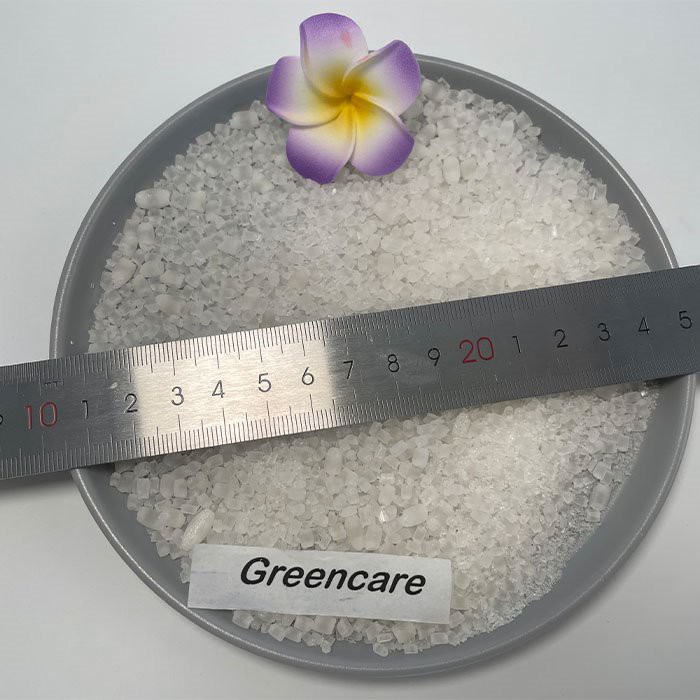
Ammonium nitrogen is a slow - release form of nitrogen. It is adsorbed onto the soil particles and is gradually released as the plants need it. This slow - release characteristic helps to reduce nitrogen loss through leaching and volatilization. On the other hand, nitrate nitrogen is readily available to plants. It can be quickly absorbed by plant roots, providing an immediate source of nitrogen for growth and development.
The balanced combination of ammonium and nitrate nitrogen in Calcium Ammonium Nitrate N27 ensures that plants receive a continuous supply of nitrogen throughout their growth cycle. This is particularly important for crops with high nitrogen requirements, such as corn, wheat, and vegetables.
Significance of Nitrogen in Plant Growth
Nitrogen is one of the most essential nutrients for plant growth. It is a key component of proteins, nucleic acids, chlorophyll, and other important biomolecules. A sufficient supply of nitrogen is crucial for several aspects of plant development:
- Leaf Growth: Nitrogen promotes the growth of leaves, increasing the surface area available for photosynthesis. This leads to more efficient energy production and ultimately higher crop yields.
- Stem and Root Development: Nitrogen is also important for the development of strong stems and roots. It helps plants to stand upright and absorb water and nutrients from the soil.
- Flowering and Fruit Set: Adequate nitrogen levels are necessary for proper flowering and fruit set. This is especially important for fruit - bearing crops, as it directly affects the quality and quantity of the harvest.
Comparison with Other Nitrogen Fertilizers
When compared to other nitrogen fertilizers, Calcium Ammonium Nitrate N27 has several unique advantages. Let's take a look at how it stacks up against some common nitrogen fertilizers:
Ammonium Sulphate Granular CAS 7783 - 20 - 2
Ammonium Sulphate Granular CAS 7783 - 20 - 2 contains about 21% nitrogen in the form of ammonium. While it is a good source of nitrogen, it has a lower nitrogen content compared to Calcium Ammonium Nitrate N27. Additionally, ammonium sulphate can acidify the soil over time, which may require additional lime applications to maintain soil pH.
Ammonium Sulphate Nitrate ASN 26N Nitrogen Fertilizer
Ammonium Sulphate Nitrate ASN 26N Nitrogen Fertilizer has a nitrogen content of 26%. It combines the benefits of ammonium and nitrate nitrogen, similar to Calcium Ammonium Nitrate N27. However, Calcium Ammonium Nitrate N27 has a slightly higher nitrogen content, making it a more concentrated source of nitrogen.
Sulfur Coated Urea (SCU)
Sulfur Coated Urea (SCU) is a slow - release nitrogen fertilizer. It contains about 38% nitrogen. While it has a higher nitrogen content than Calcium Ammonium Nitrate N27, its release rate is more controlled. Calcium Ammonium Nitrate N27, with its combination of quick - release nitrate and slow - release ammonium, provides a more balanced and immediate supply of nitrogen.
Application and Usage of Calcium Ammonium Nitrate N27
Calcium Ammonium Nitrate N27 can be applied in various ways, depending on the crop and soil conditions. It can be broadcasted on the soil surface, incorporated into the soil before planting, or applied as a top - dressing during the growing season.
When using Calcium Ammonium Nitrate N27, it is important to follow the recommended application rates. Over - application of nitrogen can lead to environmental problems, such as nitrogen runoff and groundwater contamination. It can also cause excessive vegetative growth in plants, which may make them more susceptible to diseases and pests.
Environmental Considerations
As a responsible supplier, I am committed to promoting the sustainable use of fertilizers. Calcium Ammonium Nitrate N27 is a relatively environmentally friendly nitrogen fertilizer. Its balanced nitrogen forms help to reduce nitrogen loss and minimize the impact on the environment.
However, it is still important to use fertilizers in a responsible manner. This includes proper storage, handling, and application. By following best management practices, we can ensure that the use of Calcium Ammonium Nitrate N27 is both effective and sustainable.
Conclusion
In conclusion, Calcium Ammonium Nitrate N27 is a high - quality nitrogen fertilizer with a 27% nitrogen content. Its unique combination of ammonium and nitrate nitrogen provides a balanced and continuous supply of nitrogen for plant growth. When compared to other nitrogen fertilizers, it offers several advantages in terms of nitrogen content, release rate, and environmental impact.
If you are interested in purchasing Calcium Ammonium Nitrate N27 for your agricultural needs, please feel free to contact me for more information and to discuss your specific requirements. I am here to provide you with the best quality products and services to help you achieve optimal crop yields.
References
- Brady, N. C., & Weil, R. R. (2008). The nature and properties of soils. Pearson Prentice Hall.
- Havlin, J. L., Tisdale, S. L., Nelson, W. L., & Beaton, J. D. (2005). Soil fertility and fertilizers: An introduction to nutrient management. Pearson Prentice Hall.


