


Yo, folks! As a supplier of polymer sulfur coated urea, I'm stoked to dive into the nutrient content of this amazing fertilizer. Polymer sulfur coated urea is a game - changer in the world of agriculture, and understanding its nutrient content is key to making the most of it.
Let's start with the main nutrient in polymer sulfur coated urea: nitrogen. Nitrogen is like the fuel for plants. It plays a crucial role in photosynthesis, the process by which plants convert sunlight into energy. It's also essential for the production of proteins, enzymes, and chlorophyll. In polymer sulfur coated urea, nitrogen is present in a form that's slowly released over time. This slow - release feature is a huge advantage because it ensures that plants get a steady supply of nitrogen throughout their growth cycle.
The nitrogen in polymer sulfur coated urea is usually in the form of urea. Urea is a highly concentrated source of nitrogen, containing about 46% nitrogen by weight. When the polymer sulfur coating on the urea breaks down gradually, the urea is released into the soil. This controlled release means that the nitrogen is available to plants when they need it, rather than being lost through leaching or volatilization.
Now, let's talk about sulfur. Sulfur is another important nutrient that's often overlooked. It's involved in many plant functions, such as the formation of amino acids, vitamins, and enzymes. Sulfur also helps improve the overall quality of crops, including their taste, color, and storage life. In polymer sulfur coated urea, the sulfur coating not only provides a source of sulfur for the plants but also acts as a barrier to control the release of nitrogen.
The amount of sulfur in polymer sulfur coated urea can vary depending on the specific product. Generally, the sulfur content can range from a few percent to around 10%. This sulfur is in a form that's readily available to plants, and it works in tandem with the nitrogen to support healthy plant growth.
One of the great things about polymer sulfur coated urea is its ability to improve soil fertility. The slow - release nature of the fertilizer helps maintain a stable nutrient level in the soil. This is important because it reduces the risk of over - fertilization, which can lead to environmental problems such as water pollution.
When compared to other nitrogen fertilizers, polymer sulfur coated urea has some distinct advantages. For example, traditional urea can release nitrogen too quickly, leading to a waste of nutrients and potential damage to plants. On the other hand, polymer sulfur coated urea provides a more balanced and sustained supply of nitrogen.
If you're looking for other nitrogen fertilizers, you might be interested in Nitrogen Fertilizer 25. This fertilizer offers a different nitrogen content and release mechanism, which can be suitable for specific crops and soil conditions. Another option is Ammonium Sulphate Granular CAS 7783 - 20 - 2, which provides both nitrogen and sulfur in a granular form. And Ammonium Nitrogen Ammonium Chloride High Tower N25% is also a popular choice for its high nitrogen content.
In addition to nitrogen and sulfur, polymer sulfur coated urea may also contain small amounts of other nutrients. These can include trace elements such as iron, zinc, and manganese. Although these trace elements are needed in small quantities, they are essential for proper plant growth and development.
The nutrient content of polymer sulfur coated urea makes it a versatile fertilizer that can be used for a wide range of crops. Whether you're growing grains, vegetables, fruits, or ornamental plants, this fertilizer can provide the nutrients your plants need.

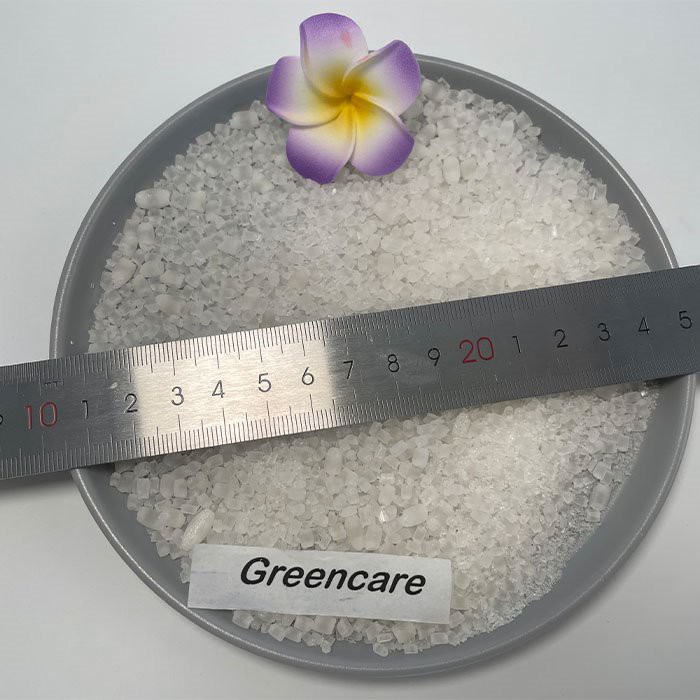
For farmers and gardeners, the benefits of using polymer sulfur coated urea are clear. It can increase crop yields, improve the quality of the produce, and reduce the environmental impact of fertilization. By providing a slow and steady supply of nutrients, it helps plants grow stronger and healthier.
If you're in the market for a high - quality fertilizer, I highly recommend considering polymer sulfur coated urea. Its unique nutrient content and slow - release properties make it a top choice for modern agriculture.
If you're interested in learning more about polymer sulfur coated urea or are looking to place an order, feel free to reach out. We're here to help you make the best decision for your crops and your farm. Whether you have questions about the nutrient content, application rates, or anything else, just drop us a line. We'll be happy to assist you in finding the right fertilizer solution for your needs.
References
- Smith, J. (2020). The Science of Fertilizers. Agricultural Press.
- Johnson, A. (2019). Nutrient Management in Modern Agriculture. Green Farming Publications.


