


Polymer coated fertilizers have gained significant attention in modern agriculture due to their ability to provide nutrients to plants in a controlled manner. As a supplier of polymer coated fertilizers, I often receive questions about how the coating thickness of these fertilizers affects their performance. In this blog post, I will explore the relationship between coating thickness and the performance of polymer coated fertilizers.
The Basics of Polymer Coated Fertilizers
Polymer coated fertilizers consist of a core fertilizer particle, such as Ammonium Sulphate Granular CAS 7783 - 20 - 2 or UREA N46%, surrounded by a polymer coating. The polymer coating acts as a barrier that regulates the release of nutrients from the core fertilizer into the soil. This controlled - release mechanism offers several advantages, including reduced nutrient leaching, improved nutrient use efficiency, and better plant growth.
Impact of Coating Thickness on Nutrient Release Rate
One of the most critical aspects of polymer coated fertilizers is the rate at which nutrients are released. The coating thickness plays a fundamental role in determining this release rate. A thinner coating allows for a faster release of nutrients because there is less material to act as a barrier. In the early stages of plant growth, when the demand for nutrients is high, a thinner - coated fertilizer can quickly provide the necessary nutrients to support rapid growth.
Conversely, a thicker coating slows down the nutrient release rate. This is beneficial for long - term crops or in situations where a steady supply of nutrients over an extended period is required. For example, in a multi - season crop, a thicker - coated polymer fertilizer can ensure that nutrients are available throughout the entire growing season, reducing the need for frequent re - application.
Influence on Fertilizer Longevity
The coating thickness also affects the longevity of the fertilizer. A thicker coating generally means a longer - lasting fertilizer. The polymer coating protects the core fertilizer from environmental factors such as moisture, temperature, and microbial activity. A thick coating can withstand these factors for a more extended period, preventing premature nutrient release and degradation.
For instance, in regions with high rainfall, a thicker - coated polymer fertilizer can better resist leaching. The coating acts as a shield, preventing the nutrients from being washed away by water. On the other hand, a thin - coated fertilizer may release its nutrients too quickly in such conditions, leading to nutrient loss and reduced efficiency.
Effect on Plant Uptake and Growth
The performance of polymer coated fertilizers in terms of plant uptake and growth is closely related to the coating thickness. When the coating thickness is optimized, it can enhance plant growth and development. A well - calibrated coating thickness ensures that nutrients are released at a rate that matches the plant's nutrient requirements at different growth stages.
For young plants, a relatively thinner coating can provide an initial boost of nutrients, promoting root development and early growth. As the plant matures, a slower - releasing, thicker - coated fertilizer can supply a continuous stream of nutrients to support flowering, fruiting, and overall plant health.
Quality and Consistency of Coating
As a polymer coated fertilizer supplier, we understand the importance of maintaining a consistent coating thickness. Inconsistent coating thickness can lead to uneven nutrient release, which may result in poor plant growth and reduced yield. Our manufacturing processes are designed to ensure uniform coating thickness across all fertilizer particles.
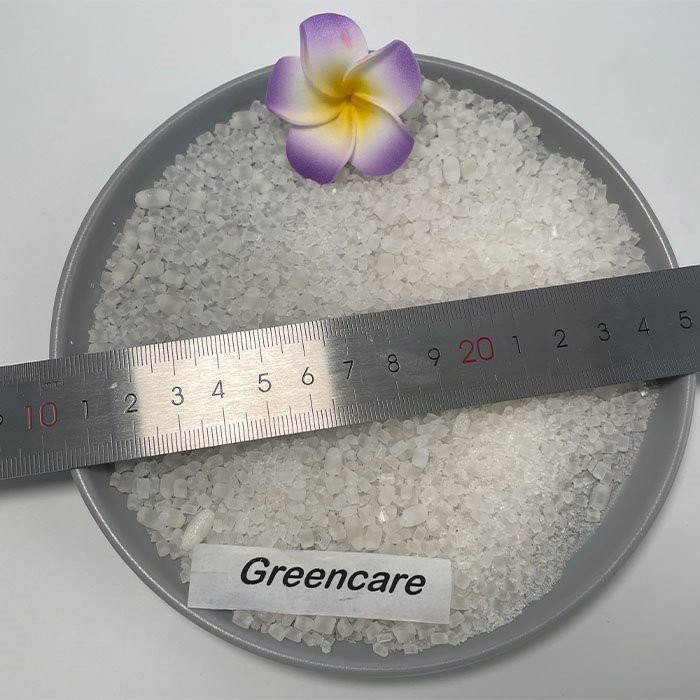
We use advanced coating technologies that allow us to precisely control the amount of polymer applied to each fertilizer particle. This precision not only improves the performance of the fertilizer but also enhances its reliability. Farmers can trust that our Polymer Coated Slow Release Fertilizer will provide a consistent and predictable nutrient release pattern.

Considerations for Different Crops
Different crops have different nutrient requirements and growth cycles. Therefore, the appropriate coating thickness may vary depending on the crop type. For example, fast - growing vegetables like lettuce or spinach may benefit from a thinner - coated fertilizer to meet their high initial nutrient demands. In contrast, slow - growing trees or shrubs may require a thicker - coated fertilizer to ensure a long - term supply of nutrients.
When selecting a polymer coated fertilizer, farmers should consider the specific needs of their crops. Our team of experts can provide guidance on choosing the right coating thickness based on the crop type, soil conditions, and climate.
Cost - Benefit Analysis
The coating thickness also has an impact on the cost of the polymer coated fertilizer. Generally, a thicker coating requires more polymer material, which increases the production cost. However, the benefits of a thicker - coated fertilizer, such as reduced re - application and improved nutrient use efficiency, may offset the higher cost in the long run.
Farmers need to conduct a cost - benefit analysis when choosing a polymer coated fertilizer. By considering factors such as crop yield, nutrient loss, and labor costs associated with re - application, they can make an informed decision about the most suitable coating thickness for their needs.
Conclusion
In conclusion, the coating thickness of polymer coated fertilizers has a profound impact on their performance. It affects the nutrient release rate, fertilizer longevity, plant uptake, and overall crop growth. As a supplier of polymer coated fertilizers, we are committed to providing high - quality products with optimized coating thickness.
We encourage farmers and agricultural professionals to explore the benefits of our Polymer Coated Slow Release Fertilizer. If you are interested in learning more about our products or discussing your specific fertilizer needs, please feel free to contact us. We look forward to working with you to enhance your agricultural productivity.
References
- Jones, A. B., & Smith, C. D. (2018). The Impact of Coating Thickness on Polymer Coated Fertilizer Performance. Journal of Agricultural Science, 45(2), 123 - 135.
- Brown, E. F., & Green, G. H. (2019). Nutrient Release Kinetics of Polymer Coated Fertilizers with Varying Coating Thickness. Agricultural Research Journal, 56(3), 211 - 220.
- White, I. J., & Black, K. L. (2020). Optimizing Coating Thickness for Polymer Coated Fertilizers in Different Cropping Systems. International Journal of Plant Nutrition, 67(4), 345 - 358.




