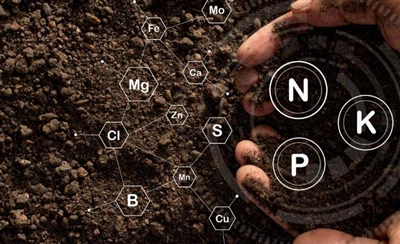
Potassium fulvate from mineral sources is a black powder that dissolves in water. It is a plant growth regulator that can promote plant growth, play a significant role in drought resistance, enhance the plant's stress resistance, and increase yield and improve quality. What specific functions does potassium fulvate from mineral sources have? Let's take a look together!
1.Promote the development of crop roots and increase the germination rate.
Potassium fulvic acid from mineral sources is rich in various nutrients. New roots can be seen within 3 to 7 days of application, and a large number of secondary roots are also produced. It rapidly enhances the plant's ability to absorb nutrients and water, promotes cell division, and accelerates crop growth.
2. Improve the utilization rate of fertilizers.
Potassium fulvate from mineral sources provides the carbon and nitrogen sources needed for the activities of beneficial microorganisms in the soil, thereby promoting their massive reproduction. It can also solubilize phosphorus, potassium and fix nitrogen, significantly enhancing the utilization rate of nitrogen, phosphorus and potassium and improving the efficiency of their application.
3. Enhance the cold and disease resistance of plants.
Potassium fulvate can enhance the photosynthesis of plants, increase the organic matter in the plant cell sap, thereby improving the cold resistance of crops. The plant root system is well developed, the ability to absorb nutrients and water is greatly enhanced, the plant is vigorous, and the disease resistance is strong.
4. Increase production and improve quality.
Potassium fulvic acid from mineral sources is fully water-soluble, easily absorbed and has strong permeability. Its effect is more than ten times that of ordinary humic acid. The active substances of fulvic acid can enhance the absorption and utilization rate of nitrogen, phosphorus and potassium, greatly improve the nutrition of plants themselves, increase yield and improve the quality of crops.
What are the functions of potassium fulvate from mineral sources? The functions of potassium fulvate from mineral sources
Popular Blog Posts