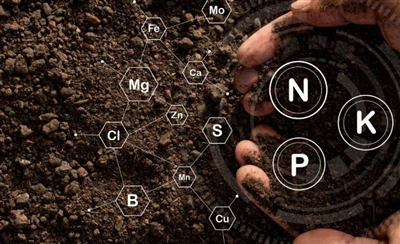
Agriculture has come a long way in the past few decades, with advancements in technology and research leading to more efficient and productive farming practices. One such advancement is the development of NPK balanced fertilizer, a blend of nitrogen, phosphorus, and potassium in balanced proportions designed to meet the nutritional needs of plants.
NPK, or nitrogen, phosphorus, and potassium, are three essential nutrients that plants require for healthy growth and development. Nitrogen is needed for leaf growth and chlorophyll production, phosphorus for root development, and potassium for water regulation and overall plant health. While these nutrients can be found naturally in the soil, certain crops may require higher levels of one or more of these nutrients to reach their full potential.
NPK balanced fertilizer addresses this issue by providing the necessary levels of all three nutrients in a single product. This eliminates the need for farmers to apply individual fertilizers for nitrogen, phosphorus, and potassium, simplifying the fertilization process and reducing costs.
Since the proportions of nitrogen, phosphorus, and potassium are balanced, there is less risk of over or under-fertilization, which can lead to crop damage or poor yields. This balanced approach also promotes overall plant health, leading to stronger and more resilient crops.
Moreover, NPK balanced fertilizer is an environmentally-friendly option for crop nutrition. By providing the nutrients plants need in a balanced and controlled manner, there is less risk of nutrient runoff, which can contribute to water pollution. Additionally, the efficient use of resources leads to lower greenhouse gas emissions and reduced environmental impacts.
As agriculture continues to evolve and face new challenges, NPK balanced fertilizer represents a balanced and sustainable approach to crop nutrition, supporting healthier plants, more efficient production, and a healthier planet.