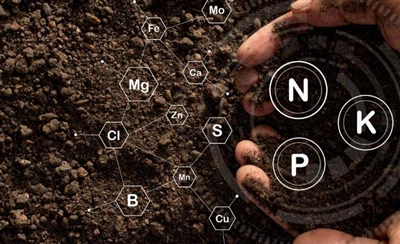
Bulk Blending Fertilizer NPK is a widely used fertilizer in modern agriculture. The abbreviation NPK stands for the three primary nutrients required for plant growth: nitrogen (N), phosphorus (P), and potassium (K). This type of fertilizer is created by blending these three nutrients in specific ratios to suit different crops, soil conditions, and weather patterns.
The bulk blending process involves combining individual fertilizer components in the desired proportions to achieve the NPK ratio. The components are then mixed and bagged. This allows farmers to customize nutrient ratios for different soil and crops, which optimizes yields and minimizes the risk of crops being prone to diseases or pests.
The bulk blending process also allows manufacturers to make fertilizers with lower levels of certain nutrients. Hence, farmers can finely tune their fertilization program to supply just the right amount of nutrients at different phases of crop growth, which supports optimal plant growth and reduces the environmental impact of excessive fertilization.
An additional advantage of Bulk Blending Fertilizer NPK over traditional fertilizers is that it has a longer shelf life due to its dry granular form. Thus, it can be stored more conveniently for longer periods under dry conditions, reducing the likelihood of spoilage.
One of the significant advantages of Bulk Blending Fertilizer NPK is that it is cost-effective. The fertilizer components are relatively inexpensive when purchased in bulk, allowing for the creation of a range of nutrient blends at a lower cost than pre-mixed fertilizers. Thus, farmers can save a substantial amount of money by blending their fertilizers to their specific needs.
Its customizability allows for optimized crop yields and soil health, which is a crucial factor in successful agricultural operations.