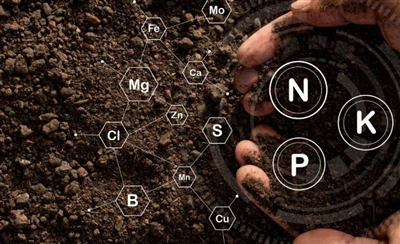
Chemical compound fertilizer NPK is a crucial component for the growth of crops and is widely used in agriculture. The abbreviation NPK stands for Nitrogen (N), Phosphorus (P), and Potassium (K) - the three primary nutrients that plants need to grow. NPK fertilizer is formulated with these essential nutrients in varying ratios and can be used for various crops such as paddy, wheat, maize, or vegetables.
NPK fertilizers are generally divided into two categories: straight and complex. Straight fertilizers contain only one of the key NPK nutrients while complex fertilizers contain two or more of these essential nutrients. The advantage of using complex NPK fertilizers over straight fertilizers is that they provide a balanced nutrition supply for crops and help improve soil fertility, making agriculture sustainable in the long run.
Chemical compound fertilizer NPK is formulated with different ratios of nutrients to meet the specific needs of a plant depending on various factors such as soil type, climatic conditions, and crop type. Farmers must choose the best NPK fertilizer ratio for their crops to ensure maximum yield and quality.
The NPK fertilizers industry is continuously evolving, and advancements in technology have allowed for the creation of new, innovative NPK fertilizers. Manufacturers now produce customized fertilizers that provide optimum nutrient ratios and are suitable for specific crops. The availability of such fertilizers in the market has contributed significantly to the growth of the agricultural industry.
In summary, the use of Chemical Compound Fertilizer NPK has been substantial in agricultural growth, and the industry is continuously evolving to provide even better solutions. The balanced nutrition provided by NPK fertilizers has helped improve crop quality, yield, and soil fertility, which is crucial for sustainable agriculture. Thus, NPK fertilizers have become an essential component aiding the global need for food security and the improvement of living standards.