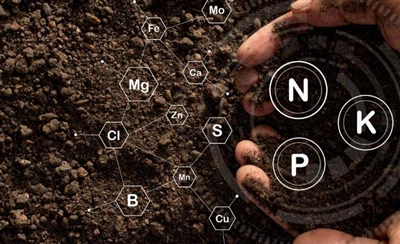
High Tower Compound Fertilizer NPK (Nitrogen, Phosphorus, and Potassium) Representing a major advance in agricultural technology, particularly in the efficient and environmentally friendly production of fertilizers, this paper explores the complex design of tall towers used to produce nitrogen, phosphorus and potassium fertilizers, their operational advantages, and the wider implications for agricultural practice and sustainability.
1. The Design and Structure of the High Tower
The high tower used in the production of compound fertilizer is a meticulously engineered structure designed to optimize the granulation process. The tower's architecture is central to its functionality and efficiency. The key features of this tower include:
Main Tower with Spraying Device: The upper end of the main tower is equipped with a spraying device, which plays a critical role in the granulation process. This device ensures that the raw materials are evenly coated, promoting uniform granule formation.
Auxiliary Tower with Internal Channel: Adjacent to the main tower is the auxiliary tower. The top of the tower is connected to the inner chamber of the main tower through a passage. This design facilitates the smooth flow of materials between the two towers, ensuring consistent quality and efficiency during production.
Receiving Hopper: At the bottom end of the main tower is the receiving hopper, which is crucial for collecting the granulated fertilizer. The inlet of the receiving hopper is fixedly connected to the inner wall of the main tower, ensuring that the materials are efficiently gathered after the granulation process.
Feeding Hopper and Conveyor System:The feed hopper is firmly mounted on a supporting structure, and a receiving hopper outlet is provided on the supporting structure. The inlet of the feed hopper is connected to the outlet of the receiving hopper, and a belt conveyor is provided at the outlet of the feed hopper. This conveying system ensures that the granular fertilizer is effectively conveyed to the next stage of processing or packaging.
2. Operational Efficiency and Environmental Benefits
The design of the high tower not only optimizes the granulation process but also significantly enhances operational efficiency and environmental sustainability. The following sections delve into these benefits:
No Production of "Three Wastes"
One of the most notable advantages of the high tower in the production of compound fertilizers is that it does not produce the "three wastes": waste gas, waste water, and solid waste. This characteristic makes the production process much more environmentally friendly compared to traditional methods.
Waste Gas: In conventional fertilizer production processes, harmful gases are often released, contributing to air pollution. The high tower design minimizes these emissions, ensuring that the process is compliant with stringent environmental regulations.
Waste Water: The efficient design of the high tower eliminates the production of waste water. This is particularly important in preserving water resources and preventing contamination of nearby water bodies.
Solid Waste: The high tower's granulation process is highly efficient, with minimal production of solid waste. Any residual material can often be recycled back into the production process, further enhancing the sustainability of the operation.
2.2 Superior Granulation and Cooling
The high tower is renowned for its superior granulation and cooling effects, which are critical for producing high-quality NPK fertilizers. The granulation process involves forming the raw materials into uniform granules, which are then cooled to stabilize their structure.
Granulation: The spraying device at the top of the main tower ensures that the raw materials are evenly distributed, resulting in uniform granule size and composition. This uniformity is essential for the consistent release of nutrients when the fertilizer is applied to crops.
Cooling: The high tower design includes a highly efficient cooling system that quickly brings the granules to the desired temperature. This rapid cooling is crucial for maintaining the integrity of the granules and preventing them from breaking apart during storage or transportation.
2.3 High Production Efficiency
The high tower significantly boosts production efficiency, which is a major advantage for manufacturers aiming to meet the growing demand for fertilizers.
Continuous Production: The high tower allows for continuous production, as the design facilitates a smooth and uninterrupted flow of materials through the granulation and cooling stages. This continuous process reduces downtime and increases overall productivity.
Reduced Energy Consumption: The efficient design of the high tower also helps reduce energy consumption. The streamlined process requires less energy to achieve the same output compared to traditional methods, leading to cost savings and a smaller carbon footprint.
3. Economic and Environmental Impact
The implementation of high tower technology in the production of compound fertilizers has far-reaching economic and environmental impacts. These impacts are crucial in the context of modern agriculture, where there is a growing emphasis on sustainability and resource efficiency.
3.1 Lower Transportation Costs
The high tower's ability to produce uniform and high-quality granules reduces the need for additional processing or refinement before transportation. As a result, the granules are more durable and less prone to damage during transit, which lowers transportation costs.
Efficiency in Logistics: The high tower's production of durable granules ensures that the fertilizer can be transported over long distances without significant loss of quality. This efficiency in logistics is particularly important for international trade, where fertilizers may need to be shipped across continents.
Reduced Packaging Requirements: The uniformity and stability of the granules also reduce the need for excessive packaging, further lowering costs and minimizing environmental impact.
3.2 Decreased Construction and Operating Costs
The high tower's efficient design translates into lower construction and operating costs for fertilizer manufacturers.
Cost-Effective Construction: The compact and efficient design of the high tower means that it requires less space and fewer materials to construct. This reduction in construction costs is particularly beneficial for manufacturers looking to expand or upgrade their facilities.
Lower Operating Expenses: The high tower's efficient production process reduces the need for expensive energy inputs, leading to lower operating expenses. These savings can be passed on to consumers in the form of more affordable fertilizers, benefiting the agricultural sector as a whole.
3.3 Contribution to Sustainable Agriculture
The use of high tower technology in the production of compound fertilizers aligns with the broader goals of sustainable agriculture. By minimizing environmental impact and reducing resource consumption, this technology supports the long-term viability of agricultural practices.
Enhanced Crop Yields: The high-quality NPK fertilizers produced by the high tower contribute to enhanced crop yields, which is essential for meeting the food demands of a growing global population.
Soil Health: The uniform granules produced by the high tower ensure a consistent release of nutrients, promoting soil health and reducing the risk of nutrient imbalances that can lead to soil degradation.
4. Conclusion
The High Tower Compound Fertilizer NPK represents a major advancement in fertilizer production technology, offering many benefits in terms of efficiency, environmental impact and economic viability. The innovative tower design, integrated spraying and cooling systems ensure the production of high-quality fertilizers that meet the needs of modern agriculture. As the agricultural sector continues to evolve, the adoption of technologies such as tower fertilizers is essential to promoting sustainable practices and ensuring food security for future generations.