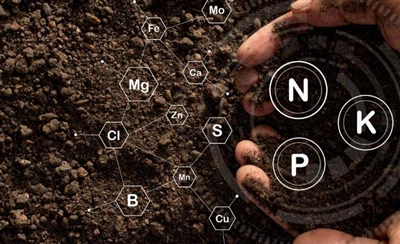
Chemical compound fertilizers, particularly NPK (Nitrogen, Phosphorus, and Potassium) fertilizers, are crucial for enhancing soil fertility and promoting plant growth. Understanding how to effectively use NPK fertilizers can significantly boost agricultural productivity and crop quality. This guide will explore the fundamentals of NPK fertilizers, their benefits, application methods, and best practices for optimal results.
Understanding NPK Fertilizers
What is NPK?
NPK fertilizers are a type of compound fertilizer containing three essential nutrients:
Nitrogen (N): Vital for plant growth, nitrogen promotes leafy growth and is crucial for the development of chlorophyll. It plays a significant role in protein synthesis and enzyme function.
Phosphorus (P): This nutrient is essential for root development, flowering, and fruiting. Phosphorus aids in energy transfer within the plant and is critical for the formation of DNA and RNA.
Potassium (K): Potassium is essential for overall plant health. It helps in the regulation of water usage, enhances disease resistance, and promotes strong stems and roots.
Benefits of Using NPK Fertilizers
Balanced Nutrition: NPK fertilizers provide a balanced supply of essential nutrients, ensuring that plants receive the right amounts of nitrogen, phosphorus, and potassium.
Improved Crop Yield: Proper application of NPK fertilizers can significantly enhance crop yield and quality, leading to better market prices for farmers.
Soil Fertility Enhancement: Regular use of NPK fertilizers improves soil fertility over time, ensuring sustainable agricultural practices.
Convenience: NPK fertilizers are easy to apply and can be used for various crops, making them a versatile option for farmers.
How to Use NPK Fertilizers Effectively
Soil Testing
Before applying NPK fertilizers, conduct a soil test to determine the nutrient levels and pH of the soil. Soil testing helps identify nutrient deficiencies and allows for more precise fertilizer application. A balanced approach based on soil test results ensures that plants receive the nutrients they need without causing nutrient imbalances or environmental harm.
Choosing the Right NPK Ratio
NPK fertilizers come in various formulations, each with a different ratio of nitrogen, phosphorus, and potassium. Selecting the appropriate NPK ratio depends on the specific crop being cultivated and its growth stage:
High Nitrogen (e.g., 30-10-10): Ideal for leafy vegetables and grass crops that require rapid vegetative growth.
Balanced NPK (e.g., 20-20-20): Suitable for a wide range of crops throughout various growth stages.
High Phosphorus (e.g., 10-30-10): Beneficial for root development and flowering, making it perfect for flowering plants and root crops.
High Potassium (e.g., 15-15-30): Great for fruits and vegetables, as potassium enhances fruit quality and stress resistance.
Application Timing
The timing of NPK fertilizer application is crucial for maximizing its effectiveness. There are generally three main application timings:
Pre-planting: Incorporating NPK fertilizers into the soil before planting helps to ensure that nutrients are readily available when seedlings begin to grow.
At Planting: Applying fertilizers at the time of planting can give crops an early boost. This is especially important for crops that have high nutrient demands during their initial growth phase.
Top Dressing: This method involves applying NPK fertilizers to the soil surface during the growing season. It is typically done when plants show signs of nutrient deficiency or during critical growth stages.
Application Methods
There are several methods to apply NPK fertilizers, including:
Broadcasting: Spreading the fertilizer evenly over the soil surface. This method is effective for large areas but may lead to nutrient runoff.
Banding: Placing fertilizers in bands along the rows of crops. This method reduces nutrient loss and ensures that nutrients are in close proximity to plant roots.
Drip Irrigation: Fertilizers can be dissolved in water and applied through drip irrigation systems. This method promotes efficient nutrient uptake and minimizes wastage.
Watering
After applying NPK fertilizers, it is essential to water the crops adequately. Watering helps dissolve the fertilizer and facilitates nutrient uptake by plant roots. Ensure that the soil is moist but not waterlogged, as excessive moisture can lead to nutrient leaching and root rot.
Monitoring Plant Health
Regularly monitor plant health and growth after applying NPK fertilizers. Look for signs of nutrient deficiency, such as yellowing leaves or stunted growth. If deficiencies are observed, consider adjusting your fertilizer application rate or timing.
Best Practices for Using NPK Fertilizers
Follow Recommendations: Always adhere to the manufacturer's recommendations for application rates and methods. Over-fertilization can lead to nutrient imbalances and environmental damage.
Rotate Crops: Practice crop rotation to prevent nutrient depletion in the soil. Different crops have varying nutrient needs, and rotating them can help maintain soil fertility.
Use Organic Matter: Incorporating organic matter, such as compost or well-rotted manure, can enhance the effectiveness of NPK fertilizers. Organic matter improves soil structure, increases water retention, and provides additional nutrients.
Avoid Applying Before Rain: Applying NPK fertilizers just before heavy rain can lead to nutrient runoff. It is advisable to check weather forecasts before application.
Record Keeping: Maintain records of fertilizer applications, including rates, timing, and crop response. This information can help refine future fertilization strategies and improve overall farm management.
Using NPK fertilizers effectively requires an understanding of soil health, crop needs, and best application practices. By following these guidelines, farmers can optimize their fertilizer use, enhance crop yield, and promote sustainable agricultural practices. Proper use of NPK fertilizers not only benefits individual farmers but also contributes to overall food security and environmental stewardship. Through careful management, NPK fertilizers can play a vital role in the future of agriculture.