Magnesium sulphate is a versatile and essential chemical compound used in a wide range of industries. It has many applications, including agriculture, pharmaceuticals, food and beverage, and industrial manufacturing processes. This versatile compound has proven to be an essential ingredient for many products due to its various properties.
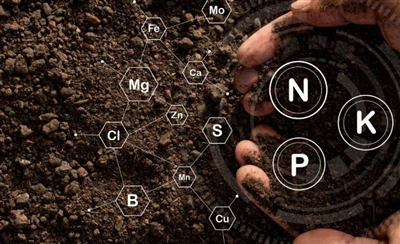
Magnesium sulphate, also known as Epsom salt, is widely used in agriculture as a fertilizer to enhance crop growth. It is an excellent source of magnesium, an essential nutrient for plants, which plays a crucial role in photosynthesis and chlorophyll production. Its usage in agriculture helps to improve plant growth, yield, and overall crop quality.
In the pharmaceutical industry, magnesium sulphate is commonly used as a mineral supplement and laxative to treat various conditions, such as constipation and liver disease. Additionally, it is used to prevent pre-eclampsia in pregnant women and reduce the risk of seizures.
The use of magnesium sulphate extends to the food and beverage industry, where it is used as a food additive and flavor enhancer. It is commonly found in canned vegetables, baked goods, and dairy products. It helps to improve texture, stabilize proteins, and enhance flavor.
Furthermore, magnesium sulphate is used in industrial manufacturing processes, such as aspartame production, textile, paper, and pulp industries. It also serves as a reducing agent in the synthesis of organic compounds like dyes, pigments, and surfactants.
In conclusion, the role of magnesium sulphate is significant in several industries. Its versatility and unique properties make it an important player in the market. Magnesium sulphate is a key component in the growth of plants, enhances product quality, and serves as a reducing agent in manufacturing processes. It is indeed a remarkable chemical compound that positively impacts our daily lives.