Ammonium chloride, also known as Sal ammoniac, is a colorless crystalline substance with a sharp, salty taste. It is an essential nitrogenous compound with numerous applications in a broad range of industries. While it is primarily an industrial chemical, it has applications in the pharmaceutical, food, and agriculture sectors as well.
Production
Ammonium chloride is usually obtained from the reaction of hydrochloric acid with anhydrous ammonia gas. The process involves the formation of a dry aerosol that is collected and then treated with water to form a concentrated solution.
Industry Applications
Ammonium chloride has widespread use in various industries, as it is a versatile and valuable compound with numerous unique chemical and physical properties. It is predominantly used as a nitrogen source in the production of fertilizers, such as nitrogen-rich ammonium sulfate and ammonium nitrate.It is also widely employed in the leather industry as a salting-out agent during tanning, and as a flux in electroplating processes.
Food Industry
Ammonium chloride is an approved food additive that is used as a food ingredient for various processed foods. It is used as a nitrogen source in yeast production, a dough conditioner, a flavor enhancer, an acidity regulator, and as a leavening agent in the production of bread and other baked goods.
Pharmaceutical Industry
It is used as a pharmaceutical ingredient for medicinal purposes. It is commonly used as an expectorant and a cough suppressant in the treatment of respiratory problems such as bronchitis and emphysema. It is also used in the manufacture of other pharmaceutical compounds and medicines.
Agriculture Industry
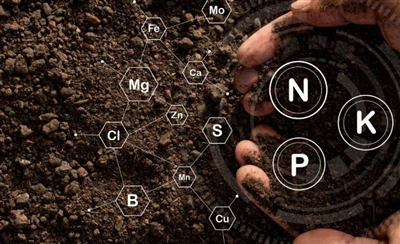
It is a crucial fertilizer component that is used in agricultural production. In farming, it is often added to the soil to supplement the nitrogen content, which improves the quality of crops. It has also been found to stimulate root growth and improve the water-holding capacity of the soil, which increases the yield and productivity of crops.
Its properties make it valuable as a nitrogen source, tanning agent, catalyst, food additive, expectorant, and fertilizer component. Its role in various industries highlights its importance in driving progress in these sectors. Its continued use will bolster these industries and promote sustainable development for generations to come.