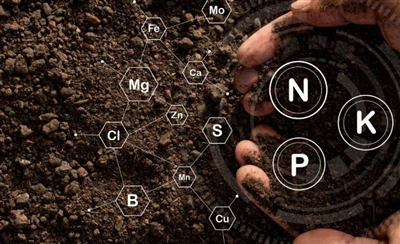
Chemical compound fertilizer NPK is an essential component of modern agriculture. The abbreviation NPK refers to the three vital nutrients its composition provides: Nitrogen (N), Phosphorus (P), and Potassium (K). Farmers use it extensively in crop production to provide the plants with the essential minerals needed for optimal growth and high yields.
N-P-K ratios in fertilizers vary depending on the specific crop, soil type, and growth stage. Nitrogen is responsible for the plant's leafy growth, while phosphorus helps in root growth and fruit or seed formation. Potassium plays numerous roles, such as regulating water balance, photosynthesis, and disease resistance. These nutrients are the building blocks for healthy crop growth and are therefore crucial in achieving maximum yields.
The application of compound fertilizer NPK involves various methods. Broadcast application is commonly used for grains, while localized application is often used in vegetables, fruit trees, and bushes. Fertilizer applicators are available in different sizes, from handheld to tractor-mounted applicators, depending on the farm's size and needs. The use of fertilizers has, over the years, contributed to a significant increase in crop yields, allowing farmers to meet the ever-growing global demand for food.
The benefits of using chemical compound fertilizer NPK in crop production are numerous. It plays an essential role in improving the soil fertility and promotes healthy plant growth. The application of NPK fertilizer ensures that the plants have access to the necessary nutrients, thus reducing nutrient deficiencies. It also leads to higher crop yields, generating income for farmers and creating food security. Additionally, the use of NPK fertilizers is more cost-effective and productive in terms of land use compared to organic fertilizers.
In conclusion, the understanding, choice, and application of chemical compound fertilizer NPK remains critical in modern agriculture. The benefits in terms of improving soil fertility, increasing crop yields, and contributing to food security are invaluable. Proper use and dosage will continue to play a significant role in producing the abundance of food to meet the rise in global demand.