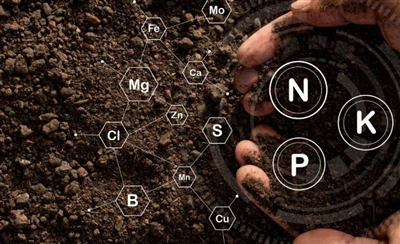
Bulk blending fertilizers, commonly referred to as BB fertilizers, are a type of fertilizer where various individual nutrient components, including nitrogen (N), phosphorus (P), and potassium (K) – the primary macronutrients – are mixed together in specific ratios. Bulk Blending Fertilizer NPK has become one of the most widely used fertilizers in agriculture, offering a customized solution for a variety of soil types, crops, and environmental conditions.
What is Bulk Blending Fertilizer NPK?
Bulk blending fertilizer is produced by physically mixing different granular fertilizer materials to create a blend that meets specific crop or soil requirements. Unlike compound fertilizers that are chemically reacted to form a homogeneous mixture, bulk blending fertilizers consist of a physical blend of distinct raw materials. These materials typically include:
Nitrogen Fertilizers: Such as ammonium nitrate, urea, or ammonium sulfate.
Phosphorus Fertilizers: Such as diammonium phosphate (DAP), monoammonium phosphate (MAP), or superphosphate.
Potassium Fertilizers: Such as muriate of potash (MOP) or sulfate of potash (SOP).
Secondary and Micronutrients: Magnesium, sulfur, calcium, zinc, iron, copper, etc., can also be added to address specific nutrient deficiencies.
This process of blending raw materials allows for flexibility in creating a balanced nutrient profile tailored to different agricultural needs.
Advantages
Customization: One of the key benefits of bulk blending fertilizers is the ability to tailor the nutrient mix to specific crops or soil conditions. Fertilizer requirements can vary significantly based on soil type, crop species, and even the stage of growth. Bulk blending offers the flexibility to create formulations that meet the exact needs of the farmer, ensuring optimal crop yield and quality.
Cost-Effectiveness: Bulk blending fertilizers are often more cost-effective than compound fertilizers. By purchasing the raw materials in bulk and mixing them according to demand, manufacturers can lower production costs and pass the savings on to farmers. Additionally, the localized production and distribution of these fertilizers can reduce transportation and packaging costs.
Reduced Fertilizer Wastage: The ability to blend fertilizers according to the specific needs of different crops reduces the risk of over-fertilization, which can lead to nutrient runoff, pollution, and inefficiency. Precision blending ensures that the right amount of each nutrient is delivered to the soil, leading to better resource utilization and environmental sustainability.
Improved Soil Fertility: By applying a well-balanced mix of nutrients that match the soil's deficiencies, bulk blending fertilizers help to restore and maintain soil fertility over time. This balanced approach ensures that crops receive all essential nutrients required for healthy growth, leading to improved soil health and increased long-term productivity.
Applications
Agricultural Crops
Bulk blending fertilizers are used across a wide range of crops, including cereals, vegetables, fruits, and cash crops. The versatility of BB fertilizers makes them ideal for both large-scale industrial agriculture and smaller, specialized farming operations. Some common crop applications include:
Cereals and Grains: Crops like wheat, corn, rice, and barley benefit from balanced NPK fertilizers that promote vigorous growth and high yields. Nitrogen supports vegetative growth, phosphorus promotes root development, and potassium enhances disease resistance and stress tolerance.
Fruits and Vegetables: In vegetable and fruit production, the precise application of NPK blends can enhance fruiting, improve flavor, and ensure uniform ripening. Crops like tomatoes, peppers, and strawberries have distinct nutritional requirements that bulk blending fertilizers can fulfill.
Legumes and Pulses: While legumes like soybeans and lentils fix their own nitrogen from the atmosphere, they still benefit from additional phosphorus and potassium, which bulk blending fertilizers can supply in precise amounts.
Horticulture and Landscaping
For horticulture and landscaping applications, bulk blending fertilizers are crucial in creating vibrant, healthy plant growth. Different blends are designed to optimize flowering, improve root systems, and encourage lush, green foliage. The custom formulation of NPK fertilizers ensures that ornamental plants, shrubs, trees, and lawns receive the necessary nutrients without excess nitrogen, which can lead to overgrowth or disease susceptibility.
Soil Improvement and Maintenance
Bulk blending fertilizers are also used to improve soil structure and fertility. In regions with poor or depleted soils, BB fertilizers can help restore nutrient balance and enhance soil's physical properties. A proper NPK blend can improve the water retention of sandy soils, enhance drainage in clay soils, and increase the microbial activity that is essential for soil health.
Integrated Nutrient Management (INM)
Bulk blending is an essential part of integrated nutrient management systems, where fertilizers are applied based on a holistic assessment of soil nutrient status. By mixing different fertilizers in varying proportions, BB fertilizers fit seamlessly into INM strategies that take into account organic amendments, crop rotations, and cover crops, helping to optimize nutrient use efficiency while minimizing environmental impact.
Precision Agriculture
With the rise of precision agriculture, bulk blending fertilizers can be used in combination with advanced technology such as GPS-guided equipment and soil sensors to apply fertilizers more efficiently. Precision agriculture technologies allow farmers to create variable rate prescriptions for fertilizers, ensuring that each field or even individual plants receive the exact amount of nutrients required. This reduces fertilizer wastage, cuts costs, and minimizes the environmental footprint of farming operations.
Challenges and Considerations
Blending Quality Control
One of the challenges in the production of bulk blending fertilizers is maintaining consistent quality. Unlike homogeneous compound fertilizers, BB fertilizers are blends of various raw materials, and variations in granule size or material quality can lead to uneven distribution of nutrients. To address this, manufacturers need to implement rigorous quality control measures and ensure that blending equipment is calibrated properly.
Nutrient Imbalances
Improper blending or the use of suboptimal nutrient ratios can result in nutrient imbalances. For example, an excess of nitrogen may lead to excessive leaf growth at the expense of root development, while a phosphorus deficiency can hinder flowering or fruit production. Farmers must have a good understanding of their soil's needs and be able to select the correct NPK blend to match those needs.
Environmental Impact
While bulk blending fertilizers offer several environmental benefits, such as reducing wastage and improving nutrient use efficiency, their over-application can still contribute to nutrient runoff and pollution. It is essential for farmers to follow recommended application rates and integrate other sustainable practices such as organic farming, crop rotation, and the use of cover crops to maintain long-term soil health.
Supply Chain and Distribution
The logistics of bulk blending fertilizer production can also pose challenges. While bulk blending can reduce production and transportation costs, it requires efficient supply chains to ensure timely availability of raw materials. Delays in sourcing individual nutrients can disrupt production schedules and impact the availability of customized blends.
Future Trends in Bulk Blending Fertilizer NPK
As agriculture continues to evolve, several trends are emerging that will likely impact the future of bulk blending fertilizers:
Increased Demand for Sustainable Solutions: With growing concerns over environmental sustainability, there will likely be an increased demand for fertilizers that are not only efficient but also environmentally friendly. Fertilizer manufacturers may focus more on sourcing raw materials that are sustainably produced and developing blends that minimize nutrient leaching and runoff.
Technological Integration: The use of data analytics and artificial intelligence in agriculture will continue to improve the precision of fertilizer applications. Integration of bulk blending with digital tools for soil testing, crop monitoring, and automated application will help optimize nutrient management and increase productivity while reducing costs.
Customization through Data: Advances in soil science and data analytics will enable even greater levels of customization in fertilizer blends. By using data from soil sensors, satellite imagery, and weather forecasts, manufacturers will be able to design fertilizer blends that are precisely tailored to the current needs of the soil and crop.
It is a versatile, cost-effective solution for modern agriculture, offering tailored nutrient profiles that optimize crop yields and soil health. With its wide range of applications across different agricultural sectors, from large-scale farms to small horticultural operations, BB fertilizers contribute significantly to improving agricultural productivity. However, the success of bulk blending fertilizer depends on proper formulation, quality control, and sustainable application practices. As the agricultural industry moves toward greater precision and sustainability, bulk blending fertilizers are likely to play a crucial role in meeting global food security challenges while minimizing environmental impact.