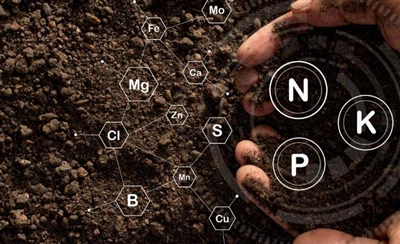
NPK compound fertilizer is a widely used type of fertilizer that contains three essential plant nutrients: Nitrogen (N), Phosphorus (P), and Potassium (K). These three elements are crucial for plant growth, and the combination of these nutrients in NPK fertilizers supports healthy crop development. This article explores the functions, uses, benefits, and application methods of NPK compound fertilizers, highlighting their importance in modern agriculture.
1. Understanding NPK Fertilizer
The term NPK refers to the three primary macronutrients contained in the fertilizer: Nitrogen (N), Phosphorus (P), and Potassium (K). These nutrients are fundamental to plant health, with each serving a distinct function:
Nitrogen (N): Nitrogen is essential for plant growth as it is a key component of amino acids, proteins, and chlorophyll. It promotes vegetative growth, enhances leaf development, and is vital for photosynthesis.
Phosphorus (P): Phosphorus plays a crucial role in energy transfer, photosynthesis, and nutrient uptake. It contributes to the development of roots, flowers, and seeds, and is vital for cell division and the formation of strong, healthy plants.
Potassium (K): Potassium is involved in various plant processes, including water regulation, enzyme activation, and photosynthesis. It helps plants resist diseases, drought, and environmental stress, and is essential for improving overall plant vigor and quality.
Each of these nutrients plays a unique role in supporting plant health, and their balanced presence in NPK compound fertilizers ensures optimal growth and development.
2. The Role of NPK Fertilizers in Agriculture
NPK fertilizers are used in a variety of agricultural applications to address specific nutrient deficiencies in soils. These fertilizers are designed to provide plants with the right balance of nutrients for their growth stages, leading to improved yields, better quality crops, and enhanced soil fertility.
Soil Fertility Restoration: Over time, soils can become depleted of essential nutrients due to continuous farming practices. NPK fertilizers replenish the soil with the necessary nutrients to support plant health and productivity.
Increased Crop Yields: By providing plants with an adequate supply of nitrogen, phosphorus, and potassium, NPK fertilizers help boost crop production. Crops grow faster, become stronger, and yield more, meeting the demand for food production in both local and global markets.
Enhanced Nutrient Availability: NPK fertilizers not only provide plants with the nutrients they need but also help improve nutrient uptake from the soil. The proper balance of nutrients in the soil ensures that plants have access to all the elements required for healthy growth.
3. Different Types of NPK Fertilizers
NPK fertilizers are available in various forms, and different formulations are used depending on the specific needs of the crops and soil conditions. These fertilizers can be customized to provide the appropriate ratios of nitrogen, phosphorus, and potassium for specific agricultural goals.
Balanced NPK Fertilizers: These fertilizers contain equal or near-equal amounts of nitrogen, phosphorus, and potassium, typically in the ratio of 10-10-10 or 20-20-20. They are suitable for a wide range of crops and general-purpose soil conditioning.
High-Nitrogen NPK Fertilizers: These formulations are high in nitrogen, such as 30-10-10 or 40-10-10. They are used for crops that require abundant leafy growth, such as corn, lettuce, and other leafy vegetables.
High-Phosphorus NPK Fertilizers: Fertilizers with a high phosphorus content (e.g., 10-20-10) are used to promote strong root development and flowering. These are ideal for crops like tomatoes, potatoes, and other plants that rely on healthy root systems for optimal growth.
High-Potassium NPK Fertilizers: These fertilizers, such as 10-10-20 or 12-12-17, are formulated with more potassium to help crops withstand stress, improve drought resistance, and enhance fruit and flower quality. They are typically used for fruit-bearing plants, such as apples, grapes, and citrus crops.
4. Benefits of Using it
NPK fertilizers offer a number of benefits to farmers, gardeners, and large-scale agricultural producers. Their widespread use can significantly improve plant growth, yield, and quality.
Improved Plant Growth and Development: The balanced supply of nutrients ensures that plants can grow quickly and healthily. Nitrogen promotes lush foliage, phosphorus supports root and flower development, and potassium improves the plant's ability to resist stress.
Increased Agricultural Productivity: NPK fertilizers can help farmers increase their crop yields per hectare, which is especially important in areas where land is scarce, and food production needs to meet rising demand.
Soil Health Enhancement: Regular use of NPK fertilizers helps maintain soil fertility. While these fertilizers supply the nutrients required by plants, they can also improve soil structure, moisture retention, and microbial activity.
Cost-Effective Solution: NPK fertilizers provide a cost-effective way to supply plants with the essential nutrients they need. By using a single product to address multiple nutrient deficiencies, farmers can save on the costs of purchasing separate fertilizers for each element.
5. Application of NPK Fertilizers
The correct application of NPK fertilizers is crucial to ensure that crops receive the right amount of nutrients. Over-application or under-application can lead to nutrient imbalances, poor plant growth, and environmental damage. Here are some common methods for applying NPK fertilizers:
Broadcasting: Broadcasting is the method of spreading fertilizer evenly over the soil surface. This is suitable for large areas and crops like wheat, rice, and maize. The fertilizer is typically incorporated into the soil through tilling or irrigation.
Side-Dressing: In side-dressing, the fertilizer is applied along the rows of plants or around the base of the plants. This method is often used for crops that require more nutrients during the growing season, such as corn and leafy vegetables.
Fertigation: Fertigation involves applying fertilizer through irrigation systems, where the NPK mixture is dissolved in water and distributed directly to the roots of the plants. This method ensures that nutrients are available to plants as they need them.
Foliar Feeding: Foliar feeding is the process of spraying liquid NPK fertilizers directly onto the leaves of plants. This method is effective for correcting nutrient deficiencies and providing a quick nutrient boost to plants.
6. Environmental Considerations
While NPK fertilizers provide essential nutrients to plants, improper use can lead to environmental problems such as soil erosion, water pollution, and nutrient runoff. To minimize these risks, it is important to follow recommended guidelines for fertilizer application, consider soil health, and monitor nutrient levels regularly.
Over-Fertilization: Excessive use of NPK fertilizers can lead to nutrient runoff, which can contaminate water sources, harm aquatic ecosystems, and contribute to eutrophication. Farmers should use fertilizers according to soil test recommendations and avoid over-application.
Soil pH and Fertilizer Efficiency: The pH level of soil affects how well plants can absorb nutrients. A soil test can help determine the right type of fertilizer and the correct application rate to ensure that the nutrients are available to plants.
Sustainable Practices: Incorporating organic matter, crop rotation, and using slow-release fertilizers are some sustainable practices that can reduce the negative environmental impact of conventional NPK fertilizers.
They are indispensable in modern agriculture due to their ability to provide plants with the essential nutrients required for healthy growth. By improving soil fertility, increasing crop yields, and enhancing overall plant health, NPK fertilizers play a critical role in meeting the global demand for food and improving agricultural productivity. However, responsible and sustainable application practices are necessary to avoid potential environmental issues and ensure the long-term health of both the land and crops.
Understanding the role of nitrogen, phosphorus, and potassium in plant nutrition allows farmers to tailor fertilizer applications to the specific needs of their crops, promoting healthier plants and maximizing yields. The future of agriculture will continue to rely on efficient nutrient management, with NPK fertilizers at the forefront of ensuring global food security.