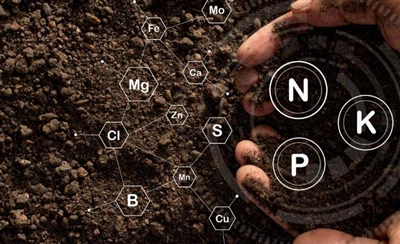
During the later growth stage of strawberries, many farmers apply some foliar fertilizers to increase the yield and quality of the fruits. However, during the fertilization process, due to factors such as fertilizer concentration, temperature, and moisture, varying degrees of fertilizer damage may occur. Currently, the main type of fertilizer damage is caused by phosphorus and potassium fertilizers, and the main affected organs are: leaves and fruits. So, how can strawberries mitigate the harm caused by phosphorus and potassium fertilizers?
Symptoms:
The leaves show different symptoms depending on the severity of the fertilizer damage. In mild cases, some burn spots appear on the leaves, and the leaf edges turn brown; subsequently, brown necrotic spots appear, and the leaf edges wither.
The main damage to the fruits is: the seeds turn brown, mature prematurely, the fruits become deformed, and the commercial value is reduced.
Main measures to mitigate the damage caused by phosphorus and potassiumfertilizers:
1. Increase the application of organic fertilizer and enhance the permeability of the soil to change the absorption environment of the roots.
2. Adjust the pH value of the soil to neutral. For acidic soil, lime-based fertilizers should be supplemented in time.
3. Avoid excessive application of fertilizers and maintain the soil moisture content.
4. Excess phosphorus and potassium fertilizers will cause excessive soil salt content, inhibiting the plant's absorption of calcium ions, leading to calcium deficiency. Appropriate pruning of flowers and fruits can prevent unnecessary calcium competition for fruit growth.