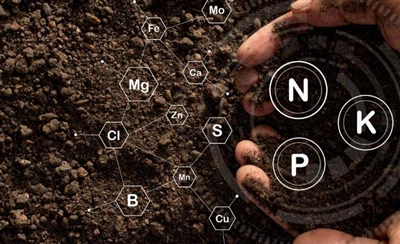
Fertilizer is an indispensable source of nutrients for plant growth. When applied properly, it can significantly promote plant growth. However, if too much fertilizer is applied, it can cause a series of adverse effects on plants, soil, and the ecological environment.
Harm to Plant Growth
When there is an excessive amount of fertilizer in the soil, the concentration of the soil solution will exceed that of the plant root cells, preventing the root cells from absorbing water. Instead, they will lose water, causing the plant to wilt and its leaves to turn yellow, a phenomenon known as "burning the seedlings." This is because plants absorb water through osmosis, and water can only enter the root cells when the concentration of the soil solution is lower than that of the root cells. Once the concentration is imbalanced, the root cells lose water, and the plant will be hindered in its growth due to water deficiency. In severe cases, it may even die. Excessive fertilization can also affect the growth pattern of plants. An excessive amount of fertilizer can cause the plant's branches and leaves to grow excessively, while the root system will develop poorly due to the deterioration of the soil environment. The excessive growth of branches and leaves consumes a large amount of nutrients, reducing the plant's ability to resist pests and diseases and making it vulnerable to various pests and diseases. At the same time, the poor development of the root system will affect the plant's normal absorption and transportation of water and nutrients, further inhibiting its healthy growth.
Harm to Soil
Excessive fertilization can damage the structure of the soil. The accumulation of chemical substances in fertilizers in the soil can cause soil particles to stick together, leading to soil compaction. Compacted soil has poor air and water permeability, which is not conducive to the respiration and growth of plant roots and also affects the activities of soil microorganisms. Excessive fertilization can also change the pH of the soil. Long-term excessive application of nitrogen fertilizers can acidify the soil, while excessive application of potassium fertilizers may lead to soil salinization. The imbalance of soil pH can affect the availability of nutrients in the soil, making it difficult for plants to absorb the nutrients they need and further inhibiting their growth.
Impact on the Ecological Environment
The nitrogen, phosphorus, and other elements in fertilizers can be washed into rivers, lakes, and other water bodies by rainwater, causing eutrophication of water bodies. This leads to the excessive growth of algae, consuming oxygen in the water and causing the death of aquatic organisms due to oxygen deficiency, disrupting the ecological balance of water bodies. At the same time, excessive nitrogen may also volatilize into the air in the form of ammonia, causing air pollution and affecting air quality.
Suggestions for Reasonable Fertilization
To avoid the hazards of excessive fertilization, the amount of fertilizer should be determined based on the needs of the plants and the fertility of the soil. Scientific methods such as soil testing and formula fertilization can be used to understand the content of various nutrients in the soil, thereby applying fertilizers in a targeted manner and improving the utilization rate of fertilizers. At the same time, blind fertilization should be avoided, and fertilizers should be applied in small amounts and frequently, evenly, to minimize the adverse effects on plants, soil, and the ecological environment.
In conclusion, reasonable fertilization is an important measure to ensure the healthy growth of plants, maintain soil quality, and protect the ecological environment. We should fully recognize the hazards of excessive fertilization and apply fertilizers scientifically and reasonably.