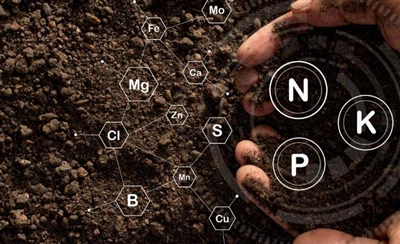
NPK 20-20-20 water-soluble fertilizer is a balanced, general-purpose fertilizer containing equal proportions of nitrogen (N), phosphorus (P), and potassium (K), each at a concentration of 20%. This high-quality fertilizer is widely used in agriculture, horticulture, and gardening to promote healthy plant growth, improve crop yields, and enhance overall plant vitality. Due to its solubility in water, it can be easily absorbed by plants through their roots and foliage, ensuring fast and efficient nutrient delivery. In this guide, we will explore the proper usage, benefits, and application methods for NPK 20-20-20 water-soluble fertilizer, as well as precautions to ensure optimal results.
1. Understanding NPK 20-20-20 Fertilizer
Before diving into the usage, it is essential to understand the composition of NPK 20-20-20 water-soluble fertilizer:
Nitrogen (N) – 20%: Nitrogen is a vital nutrient for plants as it helps promote lush green foliage and overall plant growth. It is essential for the synthesis of proteins and chlorophyll, which are necessary for photosynthesis.
Phosphorus (P) – 20%: Phosphorus plays a critical role in energy transfer and storage within plants. It helps in the development of strong roots, flowers, fruits, and seeds. It is also crucial for photosynthesis and overall plant health.
Potassium (K) – 20%: Potassium helps regulate various physiological processes in plants, such as water uptake, enzyme activation, and stress resistance. It promotes stronger stems, improved root development, and overall plant vigor.
This balanced nutrient composition makes NPK 20-20-20 an ideal choice for a wide range of plants, including vegetables, flowers, and ornamental plants.
2. Benefits of Using it
Balanced Growth: The equal ratio of nitrogen, phosphorus, and potassium ensures that all essential nutrients are available for balanced growth. It promotes strong root systems, healthy foliage, and abundant flowering or fruiting.
Rapid Absorption: Since NPK 20-20-20 is water-soluble, it dissolves quickly in water, making it readily available to plants. This allows for faster absorption of nutrients, resulting in quick responses from plants, especially when they are stressed or in need of immediate nutrient support.
Versatility: NPK 20-20-20 is suitable for a wide variety of plants, including both indoor and outdoor plants, flowering plants, vegetables, fruits, and even turfgrass. It can be used in greenhouses, gardens, agricultural fields, and potted plants.
Improved Yield: The fertilizer's balanced nutrient profile encourages overall plant health and improves yields, whether you are growing crops, flowers, or other types of plants.
3. How to Use NPK 20-20-20 Water-Soluble Fertilizer
The correct application of it is crucial for achieving optimal results. Here are the steps you should follow:
Step 1: Preparation of the Fertilizer Solution
To use NPK 20-20-20 fertilizer, you need to dissolve it in water. Follow these steps:
Choose a container: Select a clean container that can hold the water and fertilizer solution. This can be a watering can, sprayer, or mixing tank, depending on the size of the area you plan to fertilize.
Measure the fertilizer: Typically, the recommended dosage is around 1-2 tablespoons (15-30 grams) of NPK 20-20-20 fertilizer per gallon (3.8 liters) of water. However, the exact amount may vary depending on the plant's specific needs, growth stage, and environmental conditions.
Dissolve the fertilizer: Add the measured fertilizer to the water and stir thoroughly to ensure complete dissolution. NPK 20-20-20 is designed to dissolve quickly, leaving no residue behind.
Step 2: Application to Plants
Once the fertilizer solution is prepared, you can apply it to your plants. There are two primary methods for application:
Soil Application: This is the most common method of applying water-soluble fertilizers. Pour the prepared solution directly around the base of the plants, ensuring that the roots receive the nutrients. For potted plants, pour the solution evenly around the perimeter of the pot.
Frequency: For most plants, applying NPK 20-20-20 every 2-4 weeks is sufficient. However, for high-demand plants such as vegetables, you may need to apply it more frequently.
Foliar Spray: NPK 20-20-20 can also be used as a foliar spray for quick nutrient absorption through the leaves. To do this, use a sprayer to mist the plant's foliage, ensuring complete coverage on both sides of the leaves. This method is particularly useful during periods of nutrient deficiency or stress.
Frequency: Foliar spraying can be done every 1-2 weeks, but it is not a substitute for root feeding. Foliar feeding is best used as a supplemental treatment.
Step 3: Watering After Application
After applying the fertilizer, it is important to water the plants adequately to help the nutrients penetrate the soil and reach the roots. Ensure that the soil is moist but not waterlogged, as overwatering can lead to nutrient leaching and root rot.
Step 4: Monitoring Plant Growth
After using NPK 20-20-20, monitor your plants for signs of growth. Healthy plants should exhibit improved vigor, greener foliage, and better overall development. If you notice any signs of nutrient deficiency or overfeeding, adjust your application rate accordingly.
4. Special Considerations and Tips
Avoid Over-fertilizing: While NPK 20-20-20 is a balanced fertilizer, applying too much can lead to nutrient imbalances, plant burn, and poor growth. Always follow the recommended dosage and monitor plant response.
Watering Conditions: It is best to apply NPK 20-20-20 when the soil is slightly moist. Applying fertilizer to dry soil can cause nutrient lockout, preventing the plant from absorbing the nutrients effectively.
Environmental Factors: Weather conditions can influence how well the fertilizer is absorbed by plants. Apply the fertilizer during early morning or late afternoon when temperatures are cooler to avoid excessive evaporation and heat stress on the plants.
Storage: Store NPK 20-20-20 fertilizer in a cool, dry place to prevent clumping or degradation. Ensure that the container is tightly sealed to protect it from moisture.
5. Common Problems and Troubleshooting
Yellowing Leaves: If your plants are showing signs of yellowing leaves despite regular fertilization, this could be a sign of nitrogen toxicity. Reduce the application rate and avoid applying fertilizer too frequently.
Burnt Roots or Leaves: Over-application of NPK 20-20-20 can result in root or leaf burn. If this occurs, flush the soil with water to dilute the concentration and reduce the stress on the plants.
Nutrient Deficiency: If plants show poor growth despite proper fertilization, check for other factors like soil pH, water quality, or pest infestations that could be interfering with nutrient uptake.
It is a versatile, balanced nutrient source for promoting healthy plant growth and improving yields. By understanding the proper application methods, benefits, and potential pitfalls, you can optimize the use of this fertilizer in your gardening or agricultural practices. Whether you are growing vegetables, flowers, or ornamental plants, using NPK 20-20-20 will provide your plants with the essential nutrients they need for optimal health and productivity. Remember to always follow the recommended application rates and adjust based on your plants' specific needs for the best results.